

Making sharing moments feel effortless
Client
Synchronoss
Technologies
Timeline
3 months
Industry
Media
Event management
Platform
Android, iOS
Company & product context
Synchronoss is a global cloud platform that powers secure cloud storage for telecom providers.
Jelly Toast is a consumer product by Synchronoss that helps people create events, send digital invites, and collect photos and videos in one shared place. It brings event planning and memory sharing together in a simple, mobile first experience.

Scroll to explore the framework


Create and share in seconds
Work for every event
Celebrate every occasion
Feel modern & engaging
Design goals
Every design decision was guided by four simple principles.
Asking the right questions
REQUIREMENT ANALYSIS
What does success look like for this product?
The goal wasn't to reinvent event sharing. It was to create a simpler, more engaging experience that made creating events and sharing memories effortless.
COMPETITIVE RESEARCH
How are existing products solving this problem?
I studied event and photo sharing platforms to understand common patterns, identify gaps, and uncover opportunities to create a more modern experience.
USER RESEARCH
What do hosts and guests actually need?
Research showed that people already enjoy taking photos. The real challenge was making it easy to collect everyone's memories in one shared place.
EXPERIENCE STRATEGY
How can we make the experience feel effortless?
Every design decision focused on reducing friction, from creating an event to joining, sharing, and viewing memories in just a few steps.
Challenges
3
Designing for every celebration
The experience needed to adapt across weddings, festivals, birthdays, and corporate events without losing consistency.
4
Working within tight timelines
Balancing fast iterations with thoughtful design decisions required constant prioritization.
1
Aligning stakeholders
Two product owners had different priorities, so aligning feedback into one clear direction was an ongoing challenge.
2
Creating a new identity
The product had to feel completely different from Synchronoss's enterprise cloud platform while still building on its technology.

HEX
RGB
#6346E5
99,70,229
HEX
RGB
#0E0E0E
14,14,14
HEX
RGB
#FDF5F7
253,245,257
HEX
RGB
#BA41CD
186,65,205
Plus Jakarta Sans
Aa
SF Pro Display
0 1 2 3 4 5 6 7 8 9
+
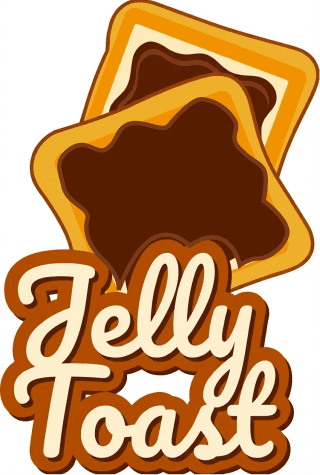
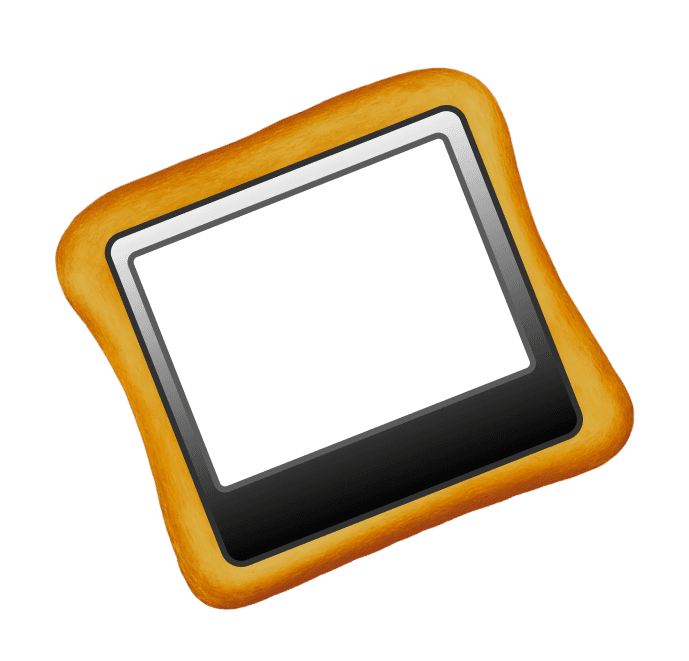
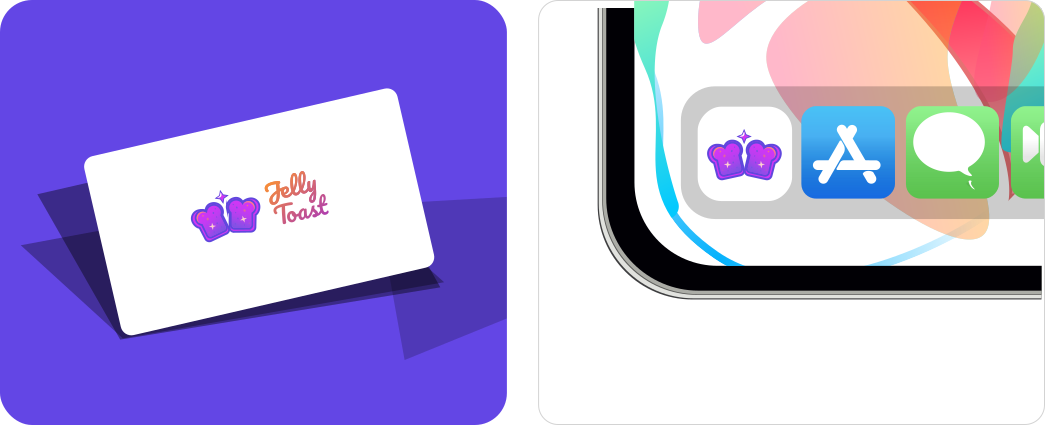
Brand Story
Toast + Jelly
Toast + Polaroid
Change in toast placement
Inspiration

Font - Pacifico{with stoke}
Jelly Toast


+

Jelly
Toast

Jelly
Toast
Research & Ideation
Competitor Analysis

Apple Invites

Partiful

Luma

Google Drive
JellyToast
Event creation flow
Digital invitations
Guest access without mandatory signup
-
Shared photo collection
Event themed templates
-
-
Mobile first experience
-
Cross platform sharing
-
Social & engaging UI
-
Cloud backed storage
Built for celebrations
-

Final outcome of the research and ideation
From creating an event to capturing and reliving memories, every part of Jelly Toast was designed to keep the experience simple, intuitive, and flexible.


A simpler way to get started
Users can join an event without creating an account, removing the biggest barrier for guests.
Those who want to host can create an account and start building their own events keeping onboarding flexible for every type of user.
Create your event, your way
Creating an event is kept simple and visual, with clear options for dates, details, and event preferences.
Users can also start with a template instead of building everything from scratch.
Capture. Share. Relive.
From uploading photos and videos to browsing, downloading, and sharing them later, memories stay together in one place.
The experience is designed around the moment—not around managing files.
Start with a template, Made to feel alive
With 150+ templates across different occasions, users can find a starting point that already feels right.
From birthdays and weddings to holidays and celebrations, every event can have its own personality.






90+ event templates


Product Adoption 🎯
📱 10K+ Downloads on Google Play
⭐ 4.3★ Rating on Google Play
⭐ 5.0★ Rating on the Apple App Store
Output
Within 6 months of launching the MVP across the Indian and U.S. markets, Jelly Toast gained early market traction with over 10K+ downloads on Google Play, strong user ratings, and positive feedback from early adopters.
See Next




Probably tweaking this footer again.
That's the work. Here's the awkward reaching out part.



🧿 2026 Parul Verma. Powered by Curiosity & Never giving up